In a globalized world, education and exposure are trespassing geographical boundaries at a pace much faster than we realize. In fact, that exactly how it ought to be! In contemporary times, global exposure is the single most important factor for students to succeed. This is where meticulously planned overseas education programs are proving to be game-changing.
International education for students, whether through long-term or short-term programs, is no longer a matter of choice. Global exposure through overseas educational programs has become a critical success factor for students.
Having said that, it is now important that students and parents look in this direction with diligence. Students and parents must have awareness and the right information on overseas educational programs and what they bring to the table. This will help them make key decisions in terms of making the most of these programs and choosing the best fit.
This blog is your comprehensive guide to international educational programs. The blog will elaborate on the importance of overseas academic immersion programs and their return on investment. Besides, it will talk about the various types of programs, the safety aspect and a lot more! I must mention that the focus of the blog will be on short-term international academic immersion programs.
So, let’s get started without further ado!
Why Overseas Educational Programs Matter
Let me explain the relevance and importance through a narrative. Let’s say there’s an introverted grade 10 student who is always focused on getting good grades. While the student has always performed exceptionally well academically, he is quite low on confidence and has limited exposure to real-world battles.
Now, let’s say this student goes to a 2-week academic immersion program in Australia. He wants to build a career in AI and through this program, he gets to learn about the real-world applications of AI while attending faculty lectures at The University of Melbourne and Macquarie University.
Besides, he meets international students at these universities, interacts with professors, explores the Australian culture and networks with the natives. He challenges each of his inhibitions to explore new academic horizons and avenues of experiential learning. He comes back as a completely different individual, academically brighter, more confident, culturally intelligent and having experienced multicultural environments.
This is a fictional example, but it very well gives you an idea of the magnitude of life-transforming impact such short programs can have. Smartly planned programs blend experiential learning, global exposure, cultural exploration and academic enrichment.
Studying academic or extracurricular tracks at top universities in the world, with their seasoned faculty, gives students the competitive edge they can thrive on for life. Apart from them, these programs completely reshape students’ personalities, perspectives, confidence and vision. Early access to getting a real feel of being at a top ranked university empowers students in multifarious ways.
This blend of global exposure and experiential learning puts students in the top bracket when the competition gets down to the wire. Needless to say, admission officers at top universities will be more drawn towards students with global exposure when they make admission and scholarship decisions.
This is exactly why international academic immersion programs matter. Besides, now that the competition for making it to the top universities of the world is so intense, their importance is only growing bigger and bigger.
Types of Overseas Educational Programs
As mentioned above, this blog largely focuses on short-term academic immersion programs overseas. However, we’d still like to tell you about the various types of international educational programs you can choose from.
Short-Term Academic Programs
These programs, as the name suggests, last from 1 to 4 weeks and focus on specific skills such as prompt engineering, entrepreneurship, public speaking, or STEM. They comprise of short duration of immersion programs, international study tours, adventure trips, summer schools, and exchange opportunities, where students experience programs focusing on academic and cultural integration. These programs are conducted at accredited partner institutions
Students have multiple overseas programs to choose from that fit their requirements. These range from language training programs, sports bootcamps, and faculty-taught academic programs such as the Boston Summer Challenge to Imperial Global Summer School. Parents need to understand and choose programs that integrate best with their child’s future aspirations.
Long-Term Undergraduate and Postgraduate Degrees
Long-term programs range from 3–4 years for undergraduate study and 1–2 years for postgraduate degrees and require a significant amount of commitment both in terms of time and finances. Subject to your goals, you can choose to study in Canada, Australia, the US, Singapore, and so on.
Safety Considerations for Parents
The safety of students is always a prime concern for parents, universities, and program coordinators; it lays the foundation for trust in overseas education. Therefore, parents must focus on institutions that are authorized and recognised internationally while exploring overseas programs for their child. This ensures quality education and a secure environment.
Other key elements for students’ safety are health, travel, and accommodation arrangements. Availability of appropriate healthcare facilities by the program coordinators must be ensured by the parents. Medical and travel insurance must be secured well in advance. They must also ensure that there is a provision of a safe and secure environment with trusted adult supervision. Parents must get assurance and details of all travel logistics.
Another critical component is a properly designed emergency support system. Parents must ensure that all emergency protocols are in place and all the program coordinators, local camp managers, and all supervising staff are well-equipped to deal with any emergency effectively. Parents should confirm clear and transparent communication channels with the program coordinators for timely updates.
Value Addition Beyond Academics
There’s a lot more that overseas educational programs have to offer than just academic value. Students get exposed to diverse cultures and peers from different cultural backgrounds, and each interaction helps them gain new knowledge and broaden their horizons. It helps them expand their network, both personally and professionally.
Students become independent and confident as they learn to navigate their way in a foreign land. They experience managing foreign currency on their own and learn the value of time
and money, learn to share accommodation with peers, learn to adjust in a new environment, experience new cuisines, all of which add to building resilience to face challenges.
This experience helps in getting clarity for their future higher education aspirations. It also helps in advancing their future higher education applications and scholarships as their profiles are enhanced due to the significant academic and personal skill development.
The students return with profound knowledge, newfound confidence, and skills that cannot be gained otherwise. They build soft skills like empathy, resilience, and adaptability, along with enhancing leadership and problem-solving skills. All this brings a significant amount of value addition to the students’ academic and personal profiles.
Valuable skills and international credentials gained through international exposure add value to the students’ profiles, which in turn help in the application and scholarship process for higher overseas education. It helps to make their profile stand out from the crowd, thus increasing the chance of better job opportunities and career path.
This is what the return on investment of a well-planned and value-oriented program looks like. The ROI goes far beyond the financial returns. It’s about the empowerment that the benefits of which the students can reap throughout their lives.
Planning for Parents
Parents must review every element by going through the structure of the program, ranging from academic teaching hours, skill development, cultural excursion activities, to the certificate of completion, before finalising any program. The programs’ outcomes in terms of academic gains and skill enhancement, etc., must be thoroughly understood by the parents.
Parents must gain knowledge of the full cost breakdown of the program, including program fees, travel, accommodation, insurance, and extras. They should be aware of all refund and withdrawal policies. Parents must also do a thorough review of all safety and emergency protocols with the program coordinators.
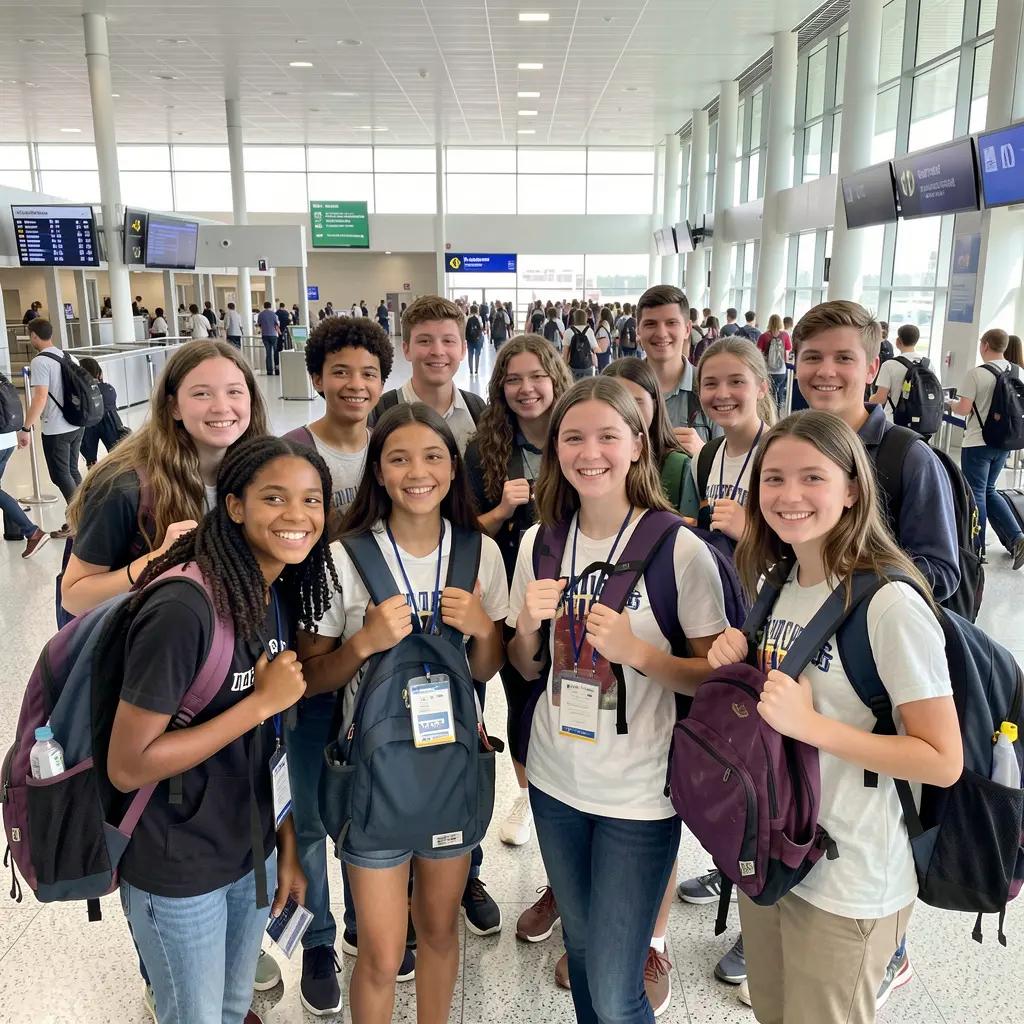
As some students might be travelling independently to a foreign land for the first time, the parents must have an honest and open conversation with them about being culturally sensitive, airport etiquette, travel laws, regulations, and prior information regarding important travel documents.
Other practical things to be kept in mind are packing essentials and tips on how to manage money. Parents must focus on the emotional readiness of the child along with academic preparation.
These programs lay the foundation of a bright future and help prepare both students and parents for long-term academic commitment. Alignment with long-term goals, safety, structure, and value of the program should be the guiding force in selecting the right program. It is imperative to remember that the actual gain is in the holistic development of the child, and the ROI extends beyond the financials.
Also Read
Education Tour Vs Leisure Tour: Know the Difference
Top Five Personality Development Skills For Students to Master